Creating conditionals om te bepalen welke actie je uitvoert, is een van de fundamentele onderdelen van programmeren in JavaScript. Een switch statement biedt een gestructureerde en efficiënte manier om één waarde tegen meerdere mogelijke uitkomsten te evalueren. In de kern evalueert de switch-case in JS een uitdrukking éénmaal en vergelijkt die resulterende waarde vervolgens met een reeks gedefinieerde cases. Elke case komt overeen met een mogelijke match, en het bijbehorende blok code wordt uitgevoerd wanneer er een match wordt gevonden.
Basisprincipes van switch en default
First, you need to pass an expression into the switch statement, which is then enclosed in a pair of round brackets (). The default case is optional, meaning you can simply run through the switch statement without generating any output.
Bij het einde van elke case-claus kun je de break-statement opnemen om te stoppen met de uitvoering van de switch-block zodra een match is gevonden. If you’ve ever written a bunch of if...else checks, you know how messy they can get. Switch statements are perfect for when different outputs may require a different following reaction.
De default-case als vangnet
The default clause doesn’t have to come last, but it’s more readable that way. A default case ensures that your code can handle unexpected or unrecognized values gracefully. If you forget break, fallthrough kan ook na de default optreden, wat meestal ongewenst is.
De default-case dient als vangnet voor onvoorziene waarden. Dit maakt de switch robuuster en helpt bugs voorkomen wanneer input niet overeenkomt met een van de expliciete cases.
Waarom en wanneer een break essentieel is
Notice how at the end of each case we break out of the code. This prevents unintended fallthrough naar de volgende case. Avoiding fallthrough is cruciaal, tenzij je expliciet wilt dat meerdere cases dezelfde code uitvoeren.
Voorbeelden van fallthrough en samenvoegen van gevallen
One of the most notable quirks of a switch statement is fallthrough. Let’s look at an example of fallthrough behavior being useful. In de following example, we want the same code to run for grades A, B, and C. Here, if grade is A, B, or C, the same block of code will execute. The same message - You passed! - is displayed.
By grouping multiple cases without breaks, you kunt dezelfde output toewijzen aan meerdere inputwaarden. In verschillende scenario’s kunnen meerdere cases dezelfde actie delen, wat de leesbaarheid vergroot.
Default case naast if-else en object-literals
The choice between a switch statement and an if...else chain often depends on the complexity of the conditions you’re evaluating. Although switch statements can be handy in many cases, there are other elegant JavaScript alternatives, like object literals. Object literals can simplify your code, reduce the risk of bugs caused by fallthrough, and make it easier to add or remove actions down the road.
actions[command] ? This approach is more concise and avoids the pitfalls of fallthrough. It’s also easier to extend; just add a new key-value pair to the object. This method is not only shorter but also scales well when you simply need to map a set of keys to values.
Praktische tips voor het gebruik van switch
- Een default-case is je veiligheidssysteem voor onverwachte waarden.
- Gebruik break aan het einde van elke case om ongewenste fallthrough te voorkomen.
- Kies betekenisvolle en descriptieve waarden in je case-statements.
- Als je switch groeit naar tientallen cases, refactor dan naar kleinere functies of gebruik een object-literal.
- Switch is handig bij strings, nummers of statussen, maar voor complexe expressies kun je if-else of object-gebaseerde benaderingen verkiezen.
Wanneer beter een andere aanpak te kiezen
While switch statements are useful, they’re not always the best choice. If you find yourself writing a switch statement with dozens of cases, consider refactoring your code. Switch statements help avoid deeply nested if statements, making your logic more maintainable.
In some scenarios is het verstandig om te kiezen voor een object-literal of een strategiepatroon, vooral als je veel waarden snel moet mappen naar acties zonder last te krijgen van fallthrough.
Een concreet voorbeeld met een default-case
The code above will print "Score value is 20" to the console. First, you need to pass an expression into the switch statement, which is then enclosed in a pair of round brackets (). The default case is optional, meaning you can simply run through the switch statement without generating any output. Finally, you need to include the break keyword in each case clause's body to stop the switch statement's execution once a matching case is found.
Switch statements are perfect for wanneer verschillende outputs mogelijk zijn die elk een andere reactie vereisen. For example x + y kan many different outcomes hebben, maar wat als je een andere reactie nodig hebt afhankelijk van wat de output blijkt te zijn?
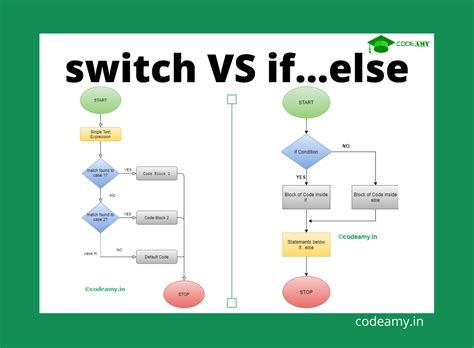
In the end, use break to stop after a match, and default to handle unexpected values. The default-case ensures you are covered when nothing else matches, while break statements prevent accidental fallthrough.
Samengevat
De JavaScript switch-statement biedt een duidelijke en efficiënte manier om één waarde tegen meerdere mogelijke uitkomsten te evalueren. Gebruik een default-case als vangnet, voeg break toe om fallthrough te voorkomen, en overweeg alternatieven zoals object-literals voor schaalbaarheid en leesbaarheid. Wanneer je switch te groot of complex wordt, deel de logica op in kleinere onderdelen of gebruik een object-gebaseerde aanpak.
De JavaScript switch statement provides a structured and efficient way to evaluate one value against multiple possible outcomes. Whether you’re checking strings, numbers, or statuses, switch statement JavaScript syntax makes your code more readable and maintainable. From basic case matching to grouped logic and default fallbacks, it’s a core tool for clean branching logic.